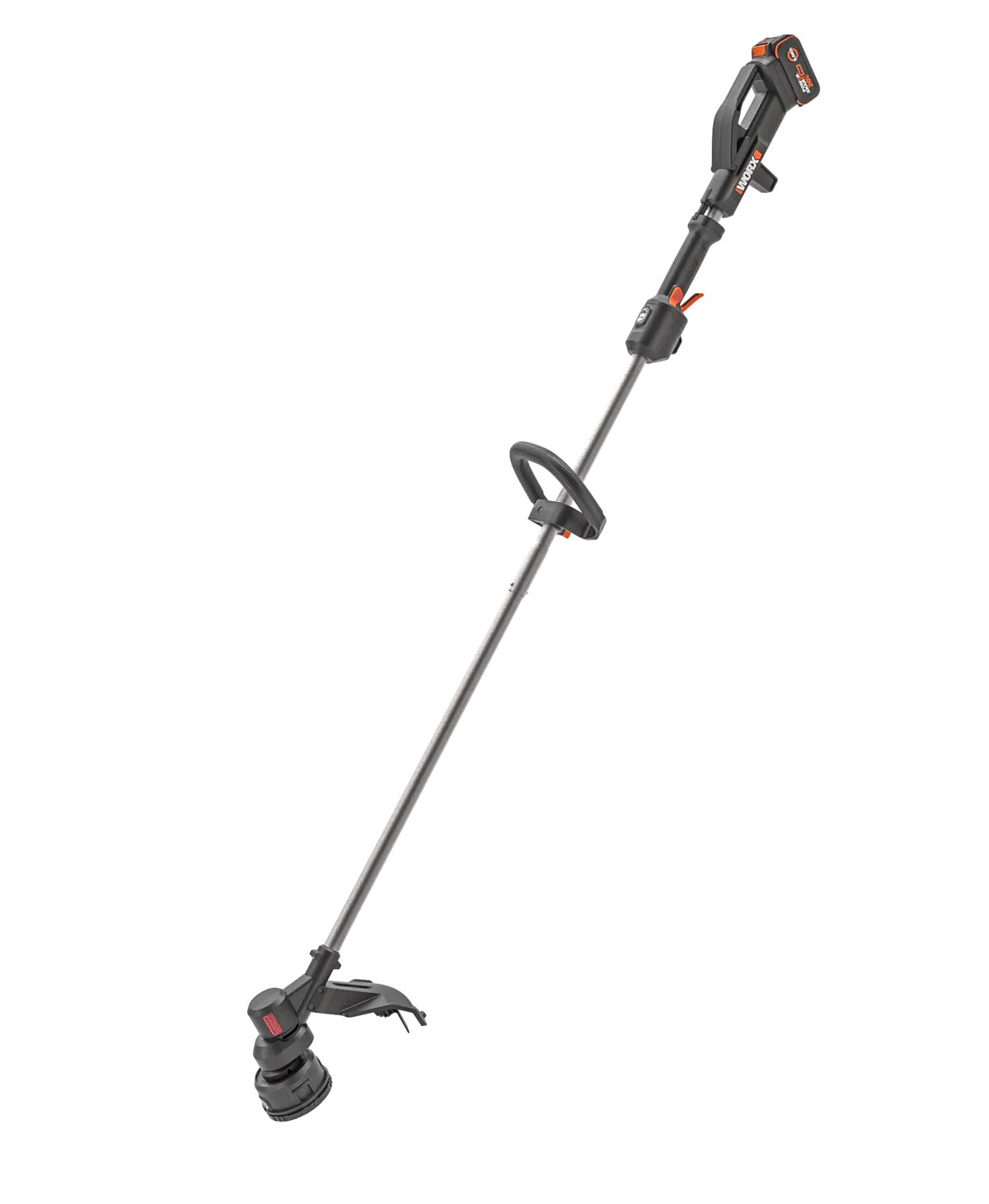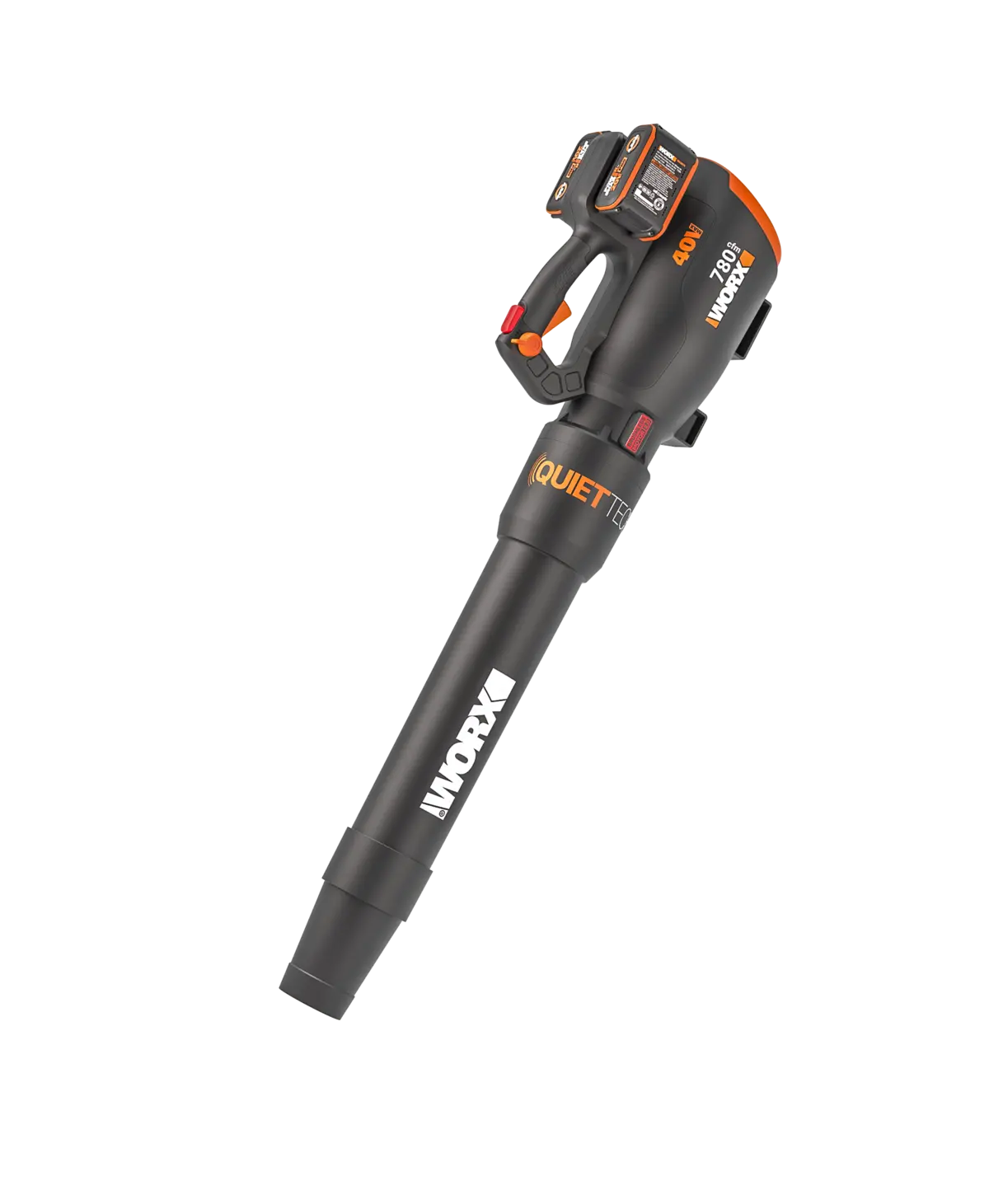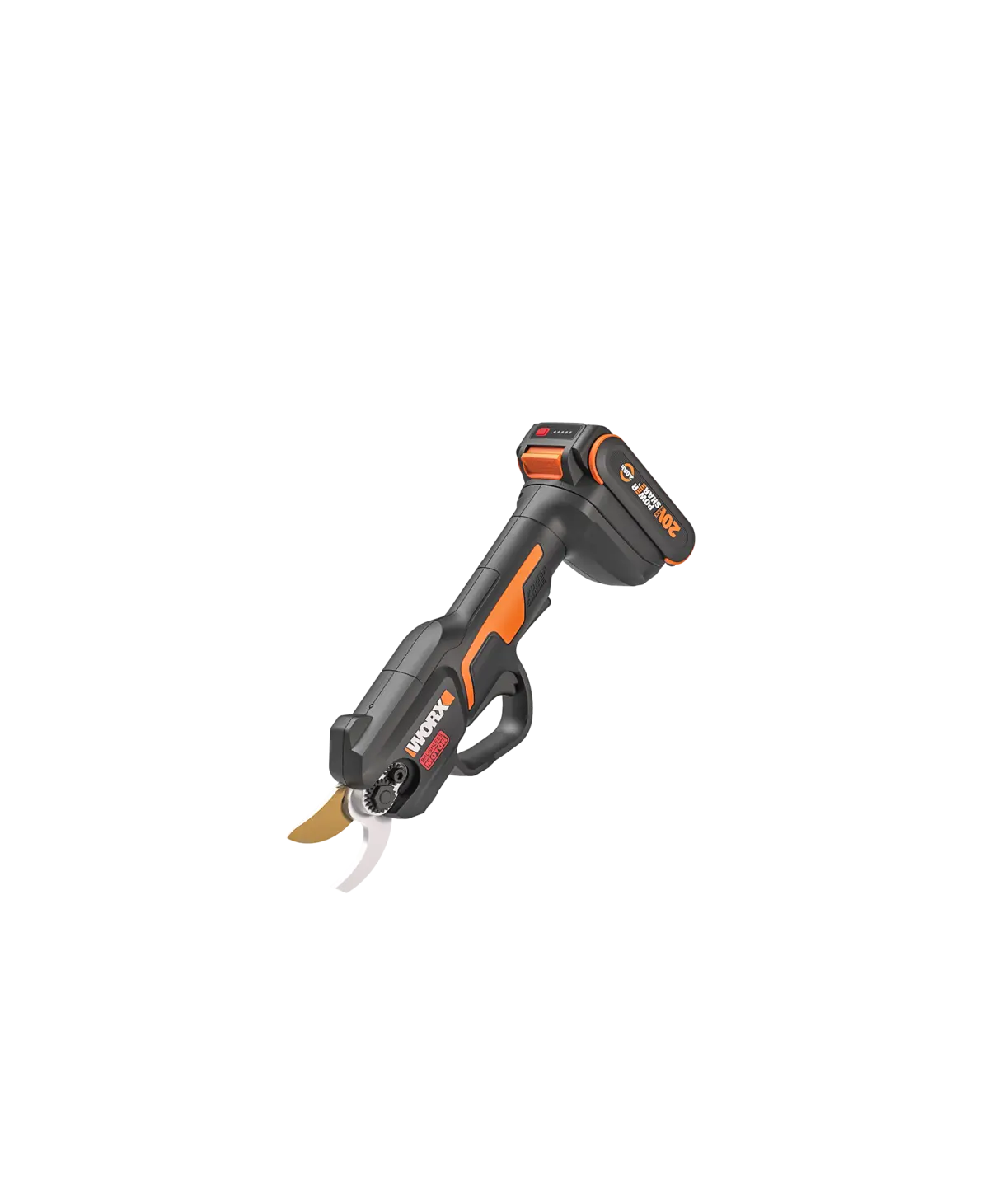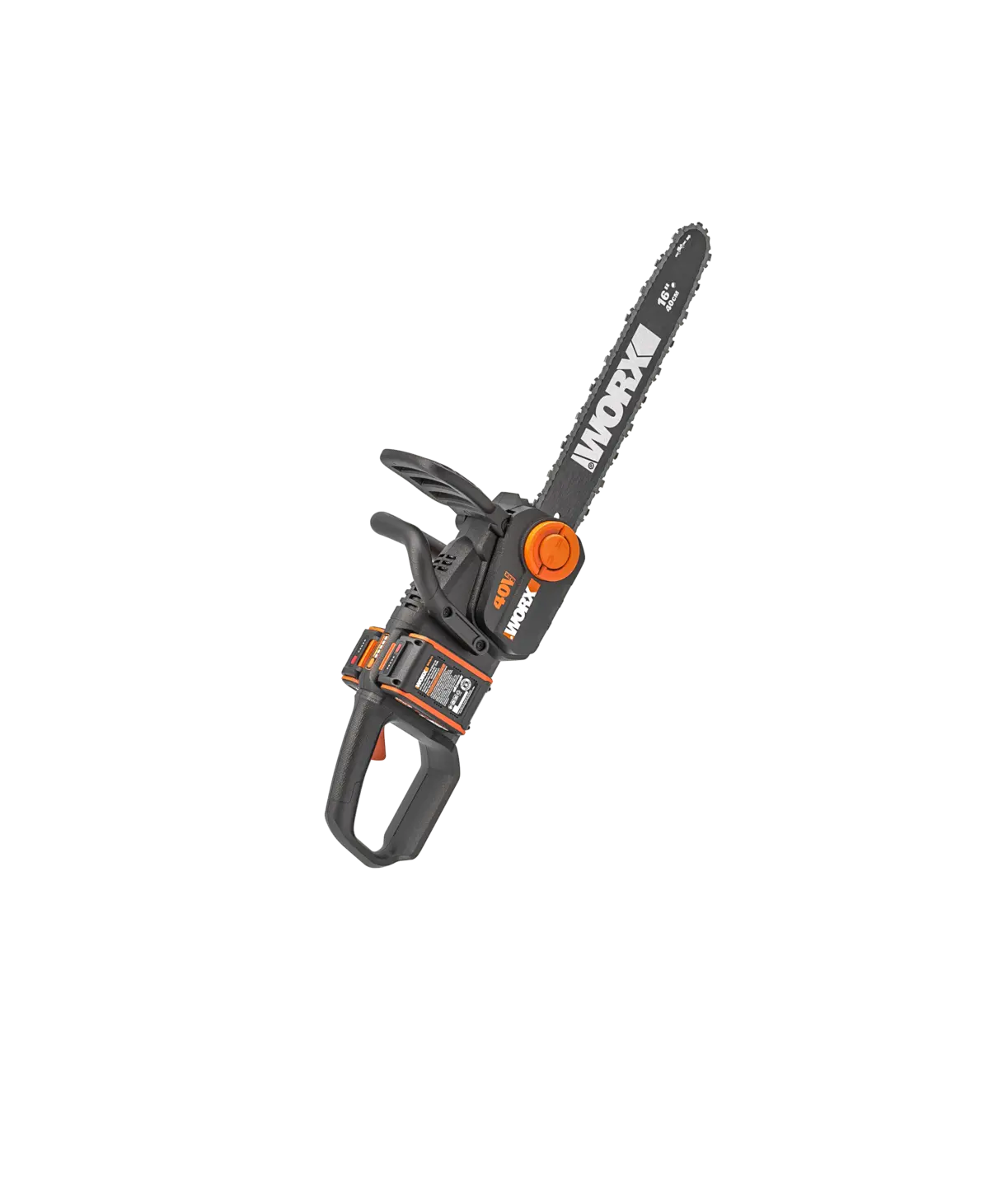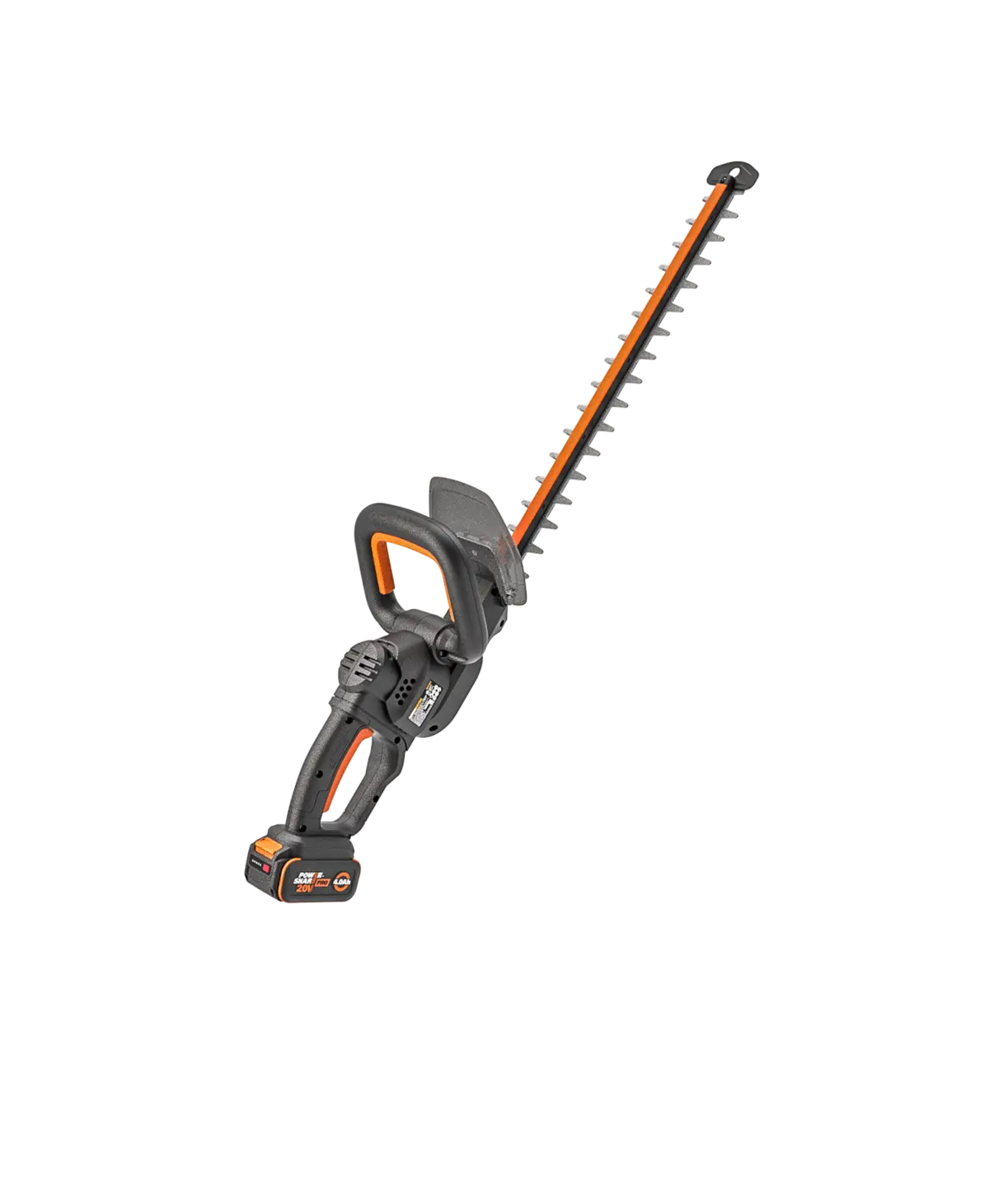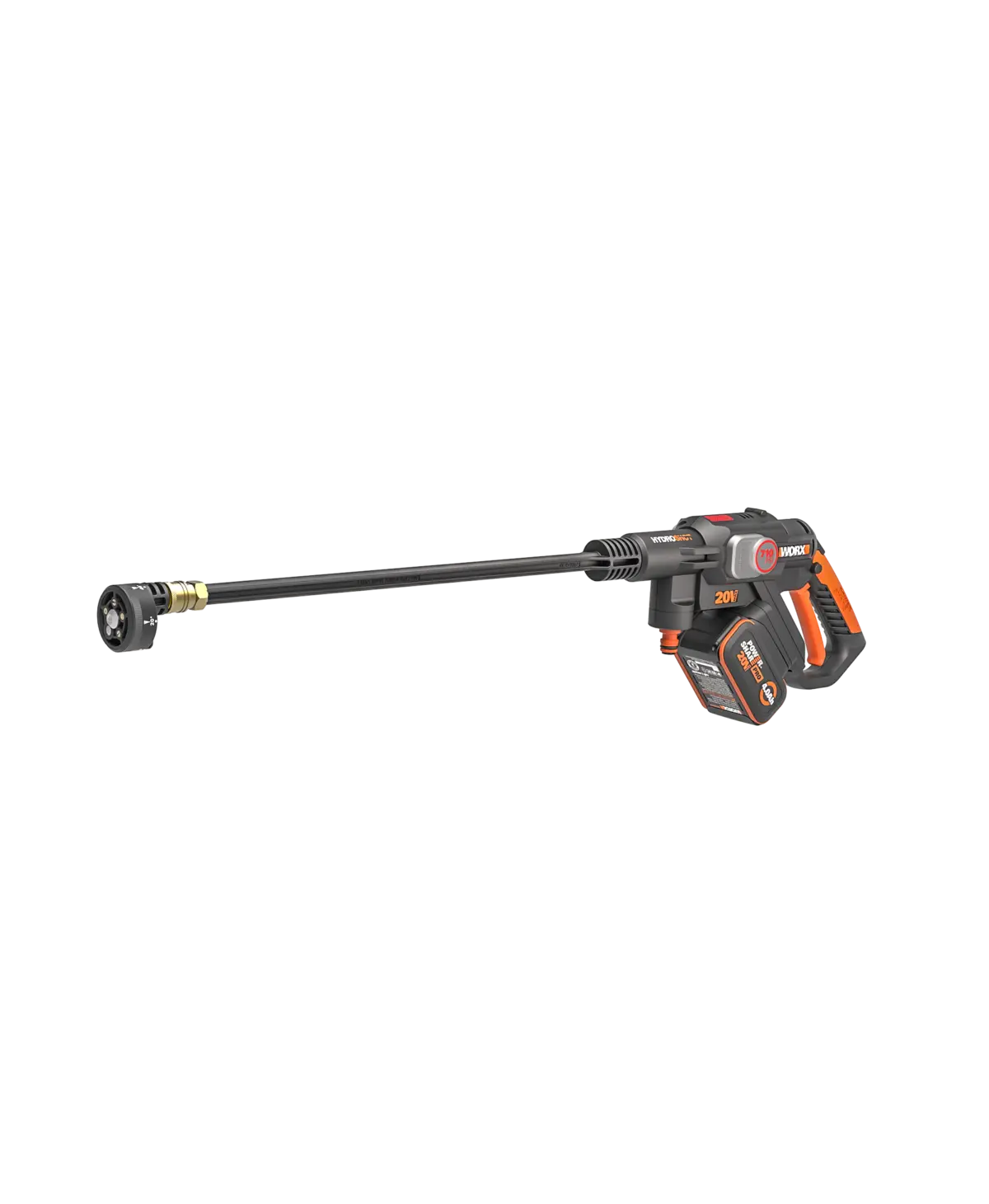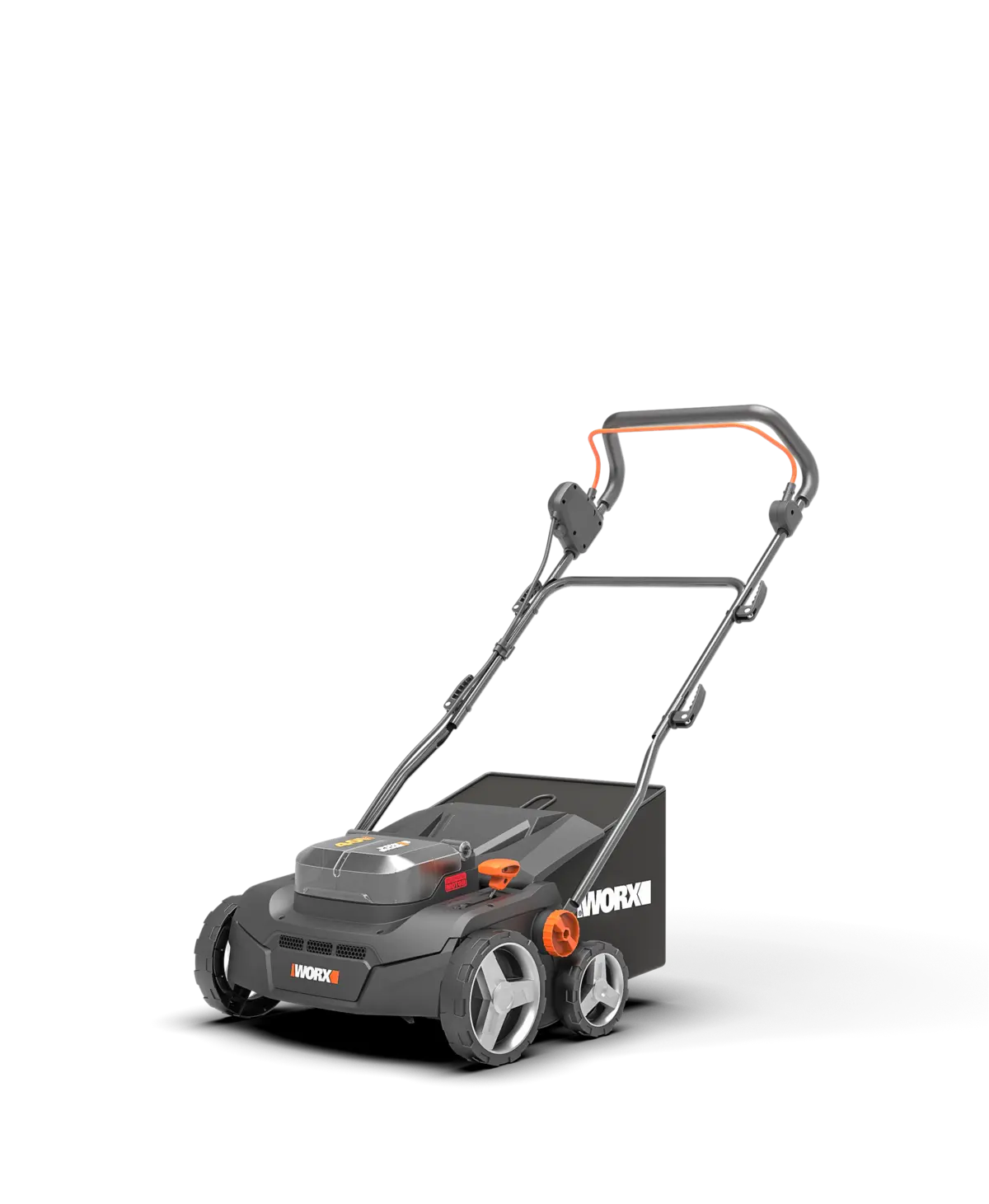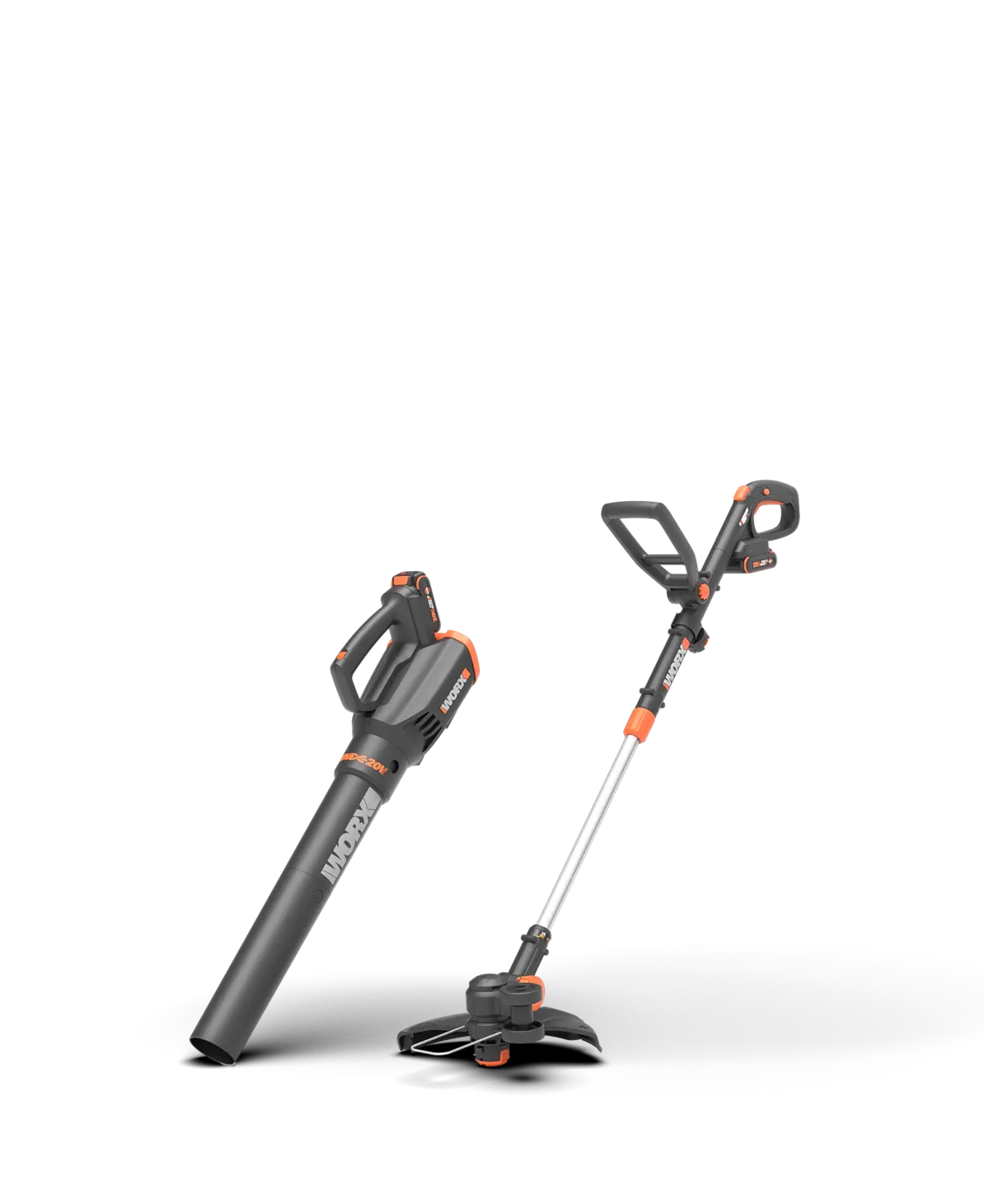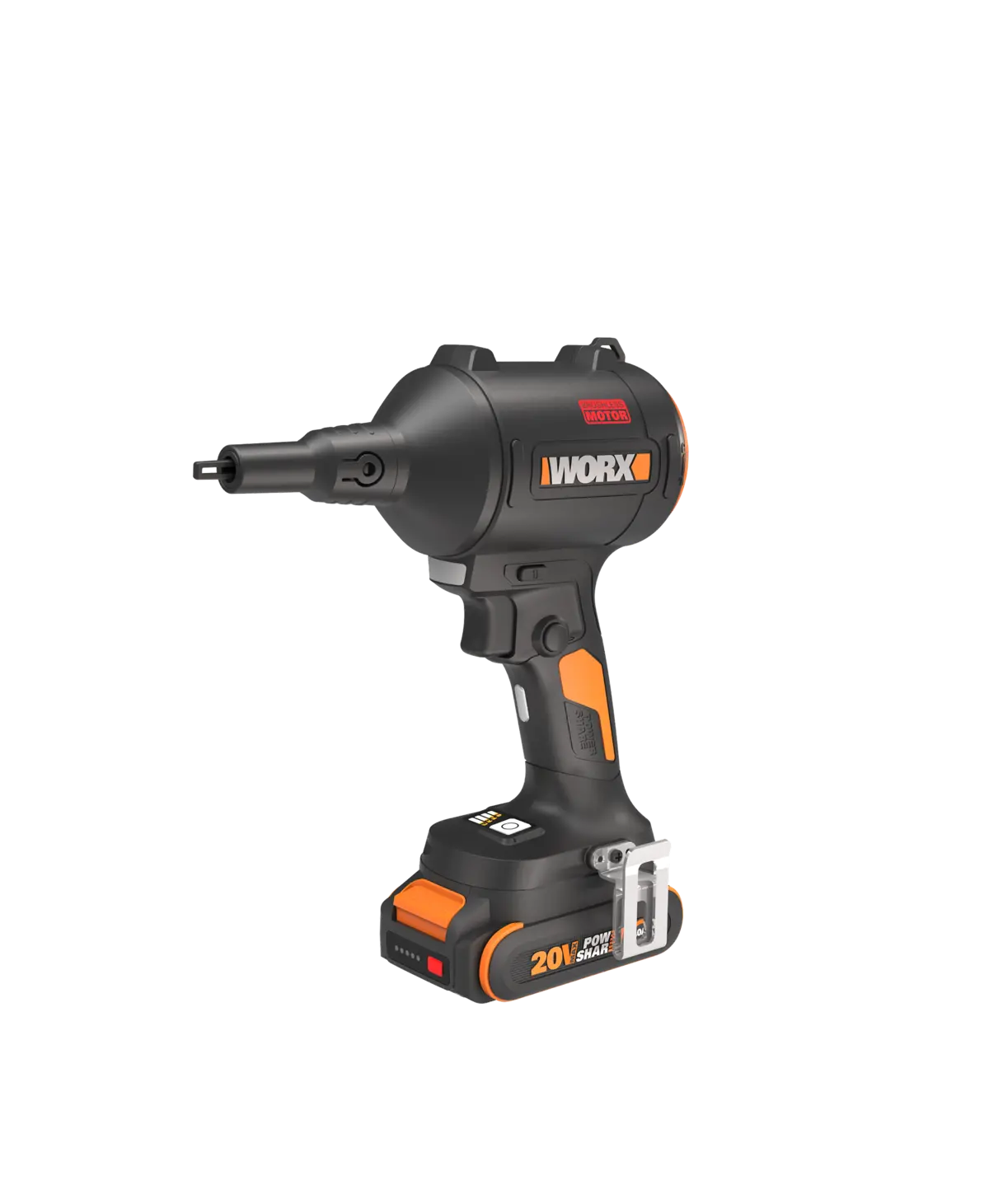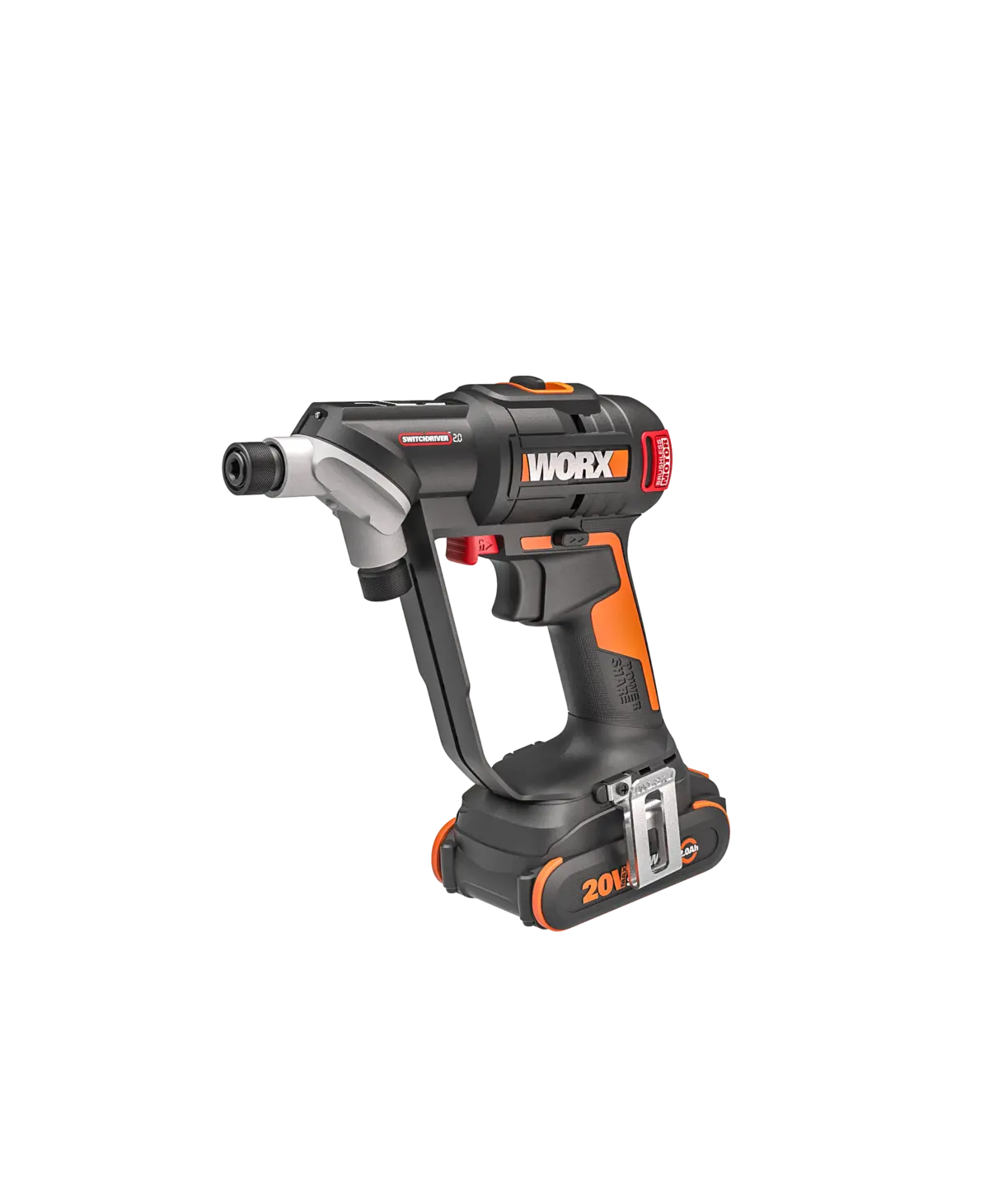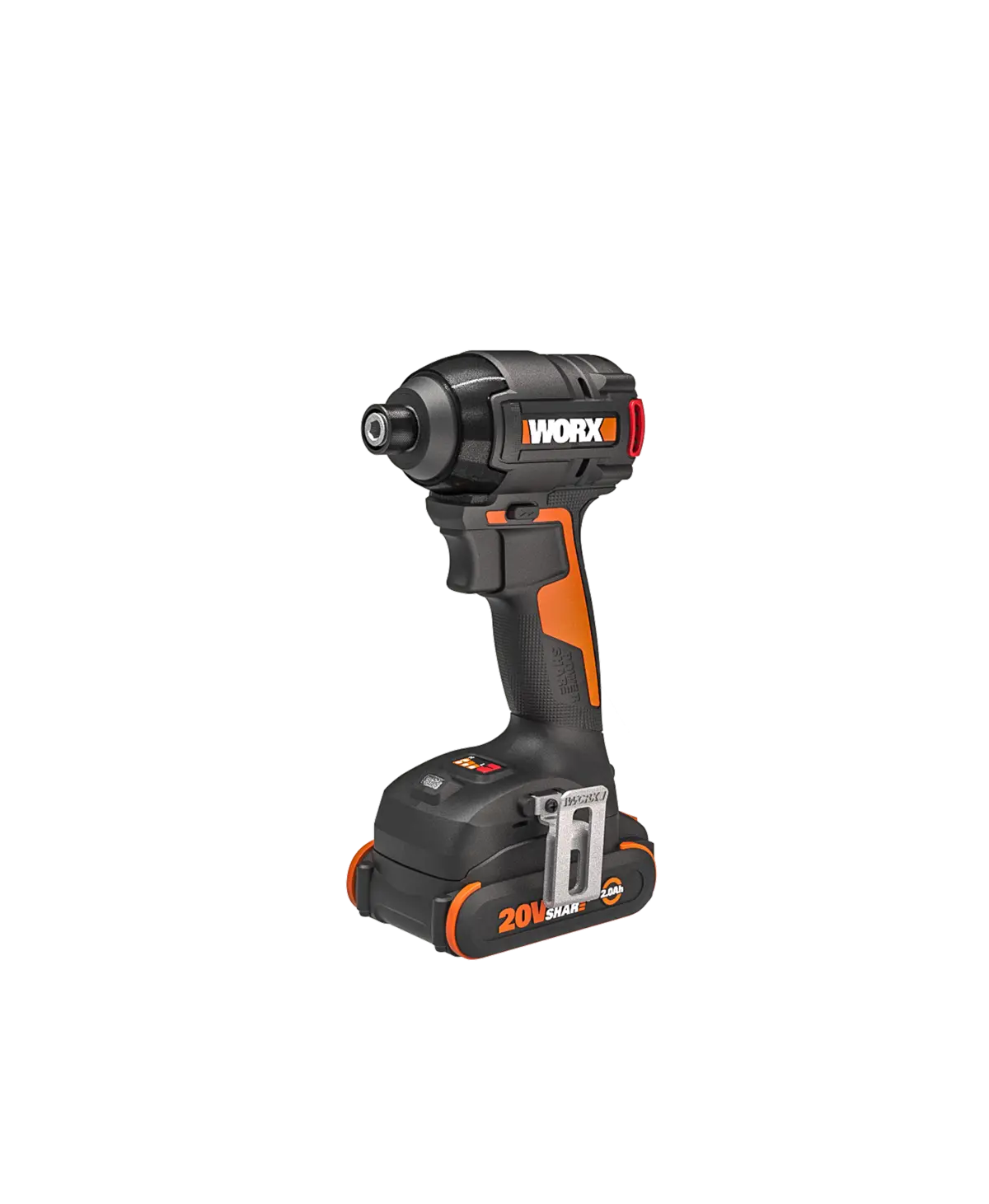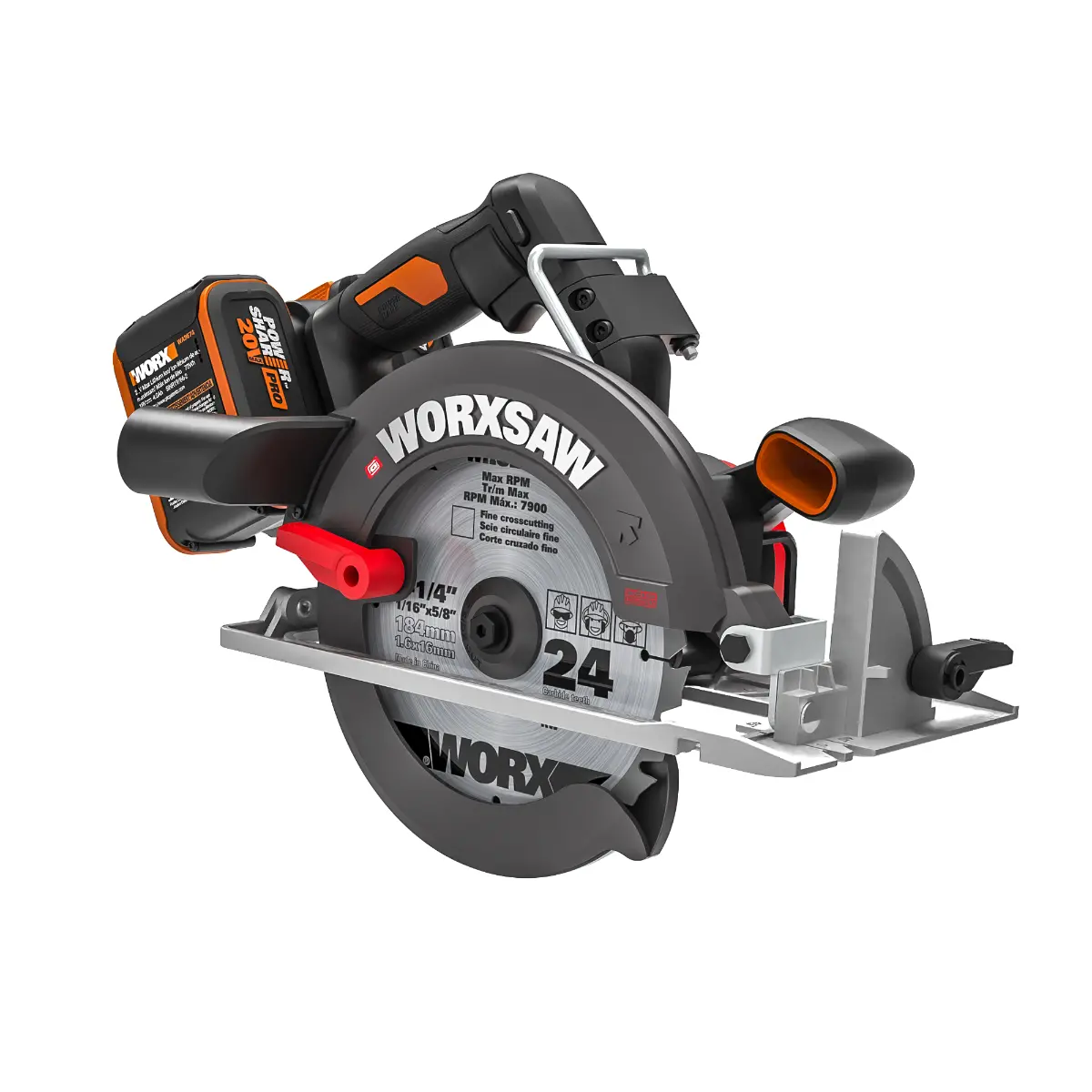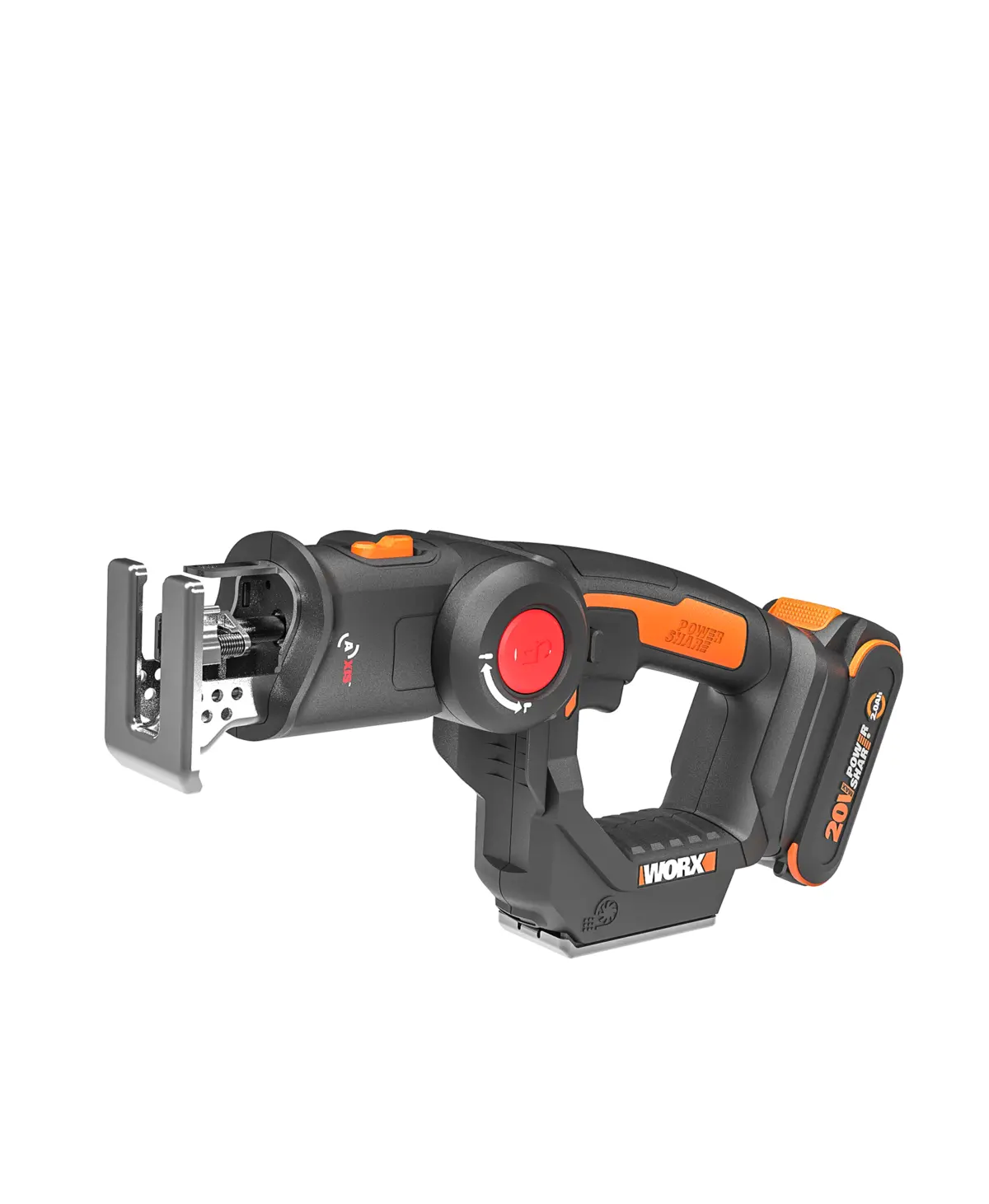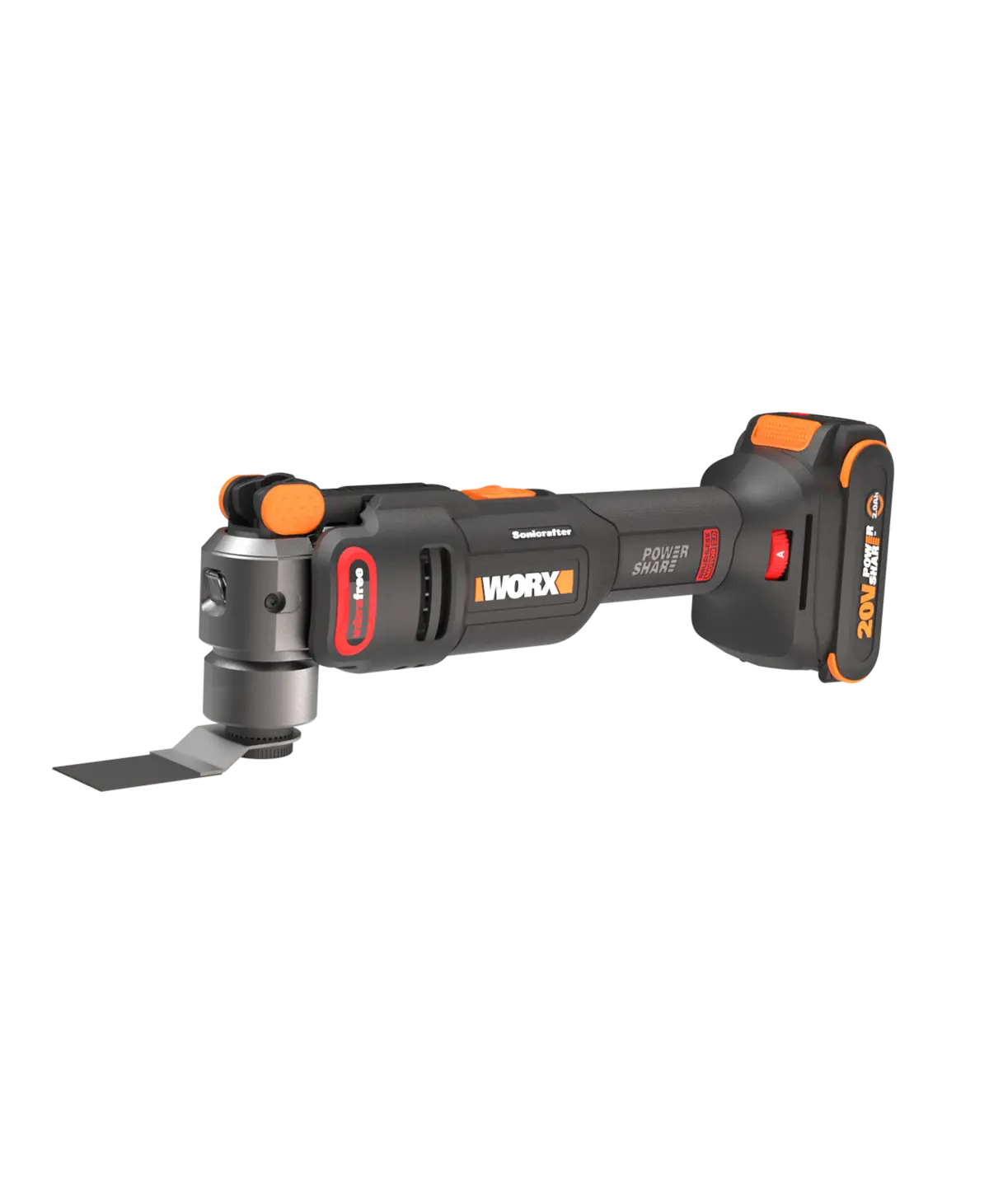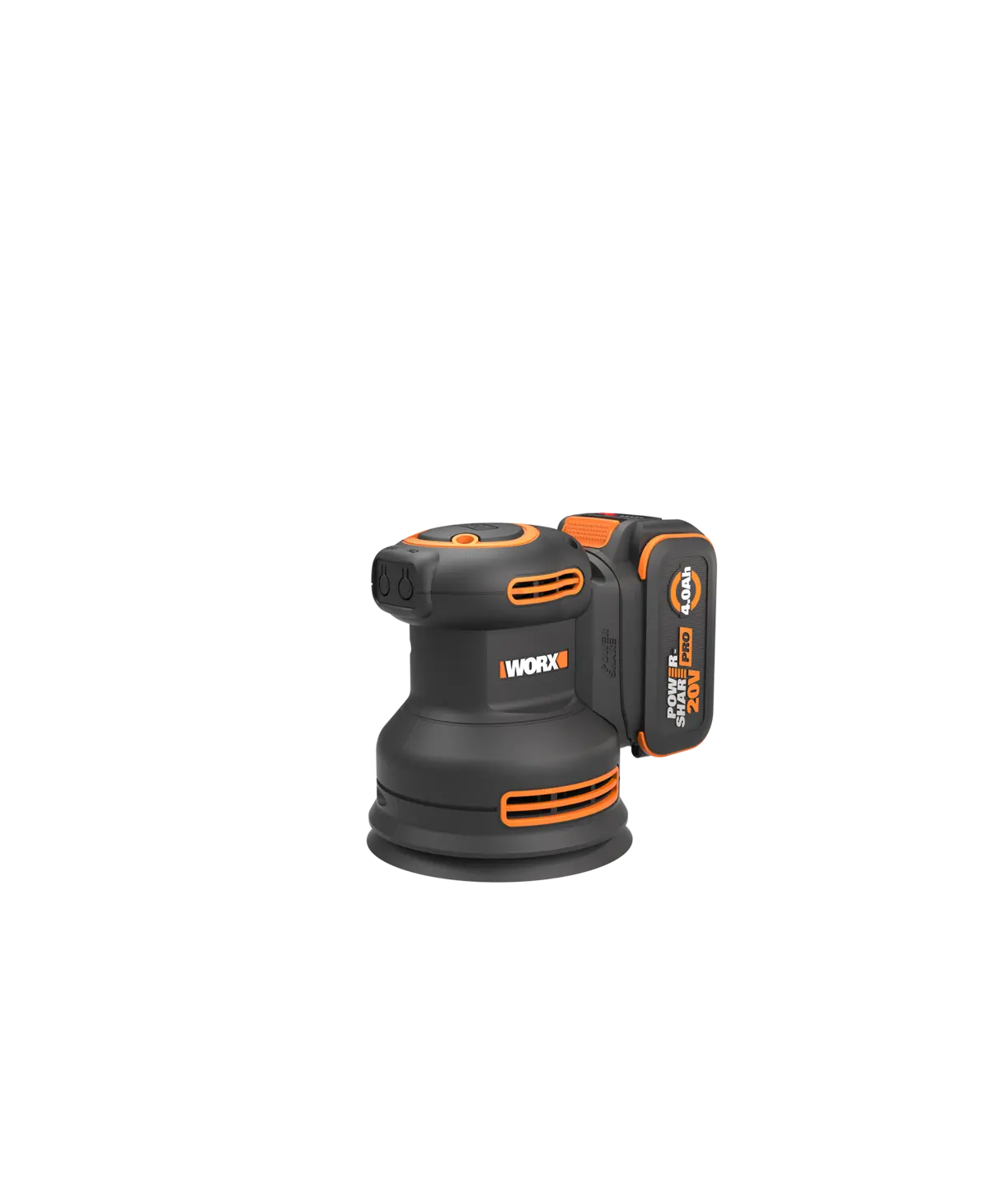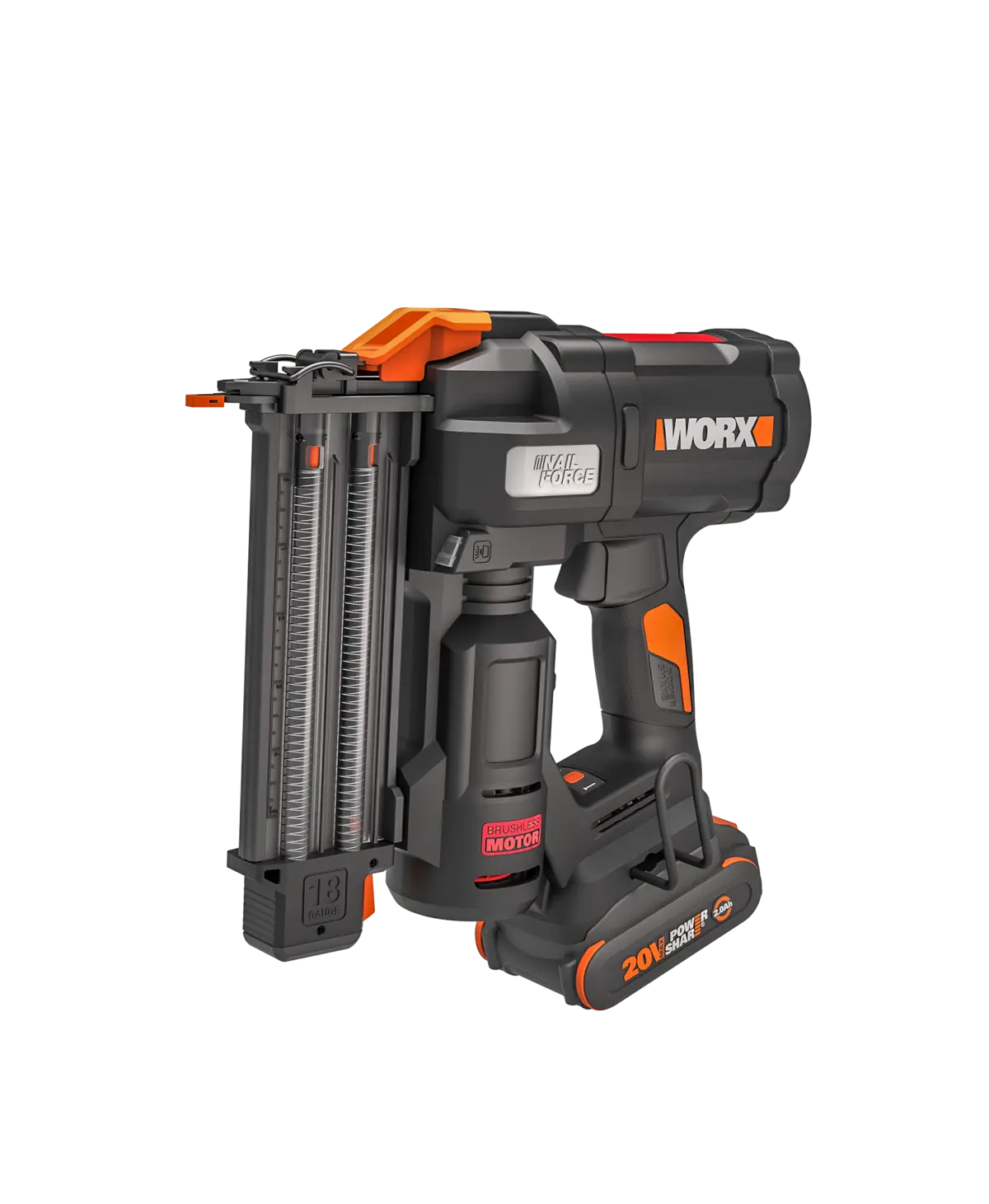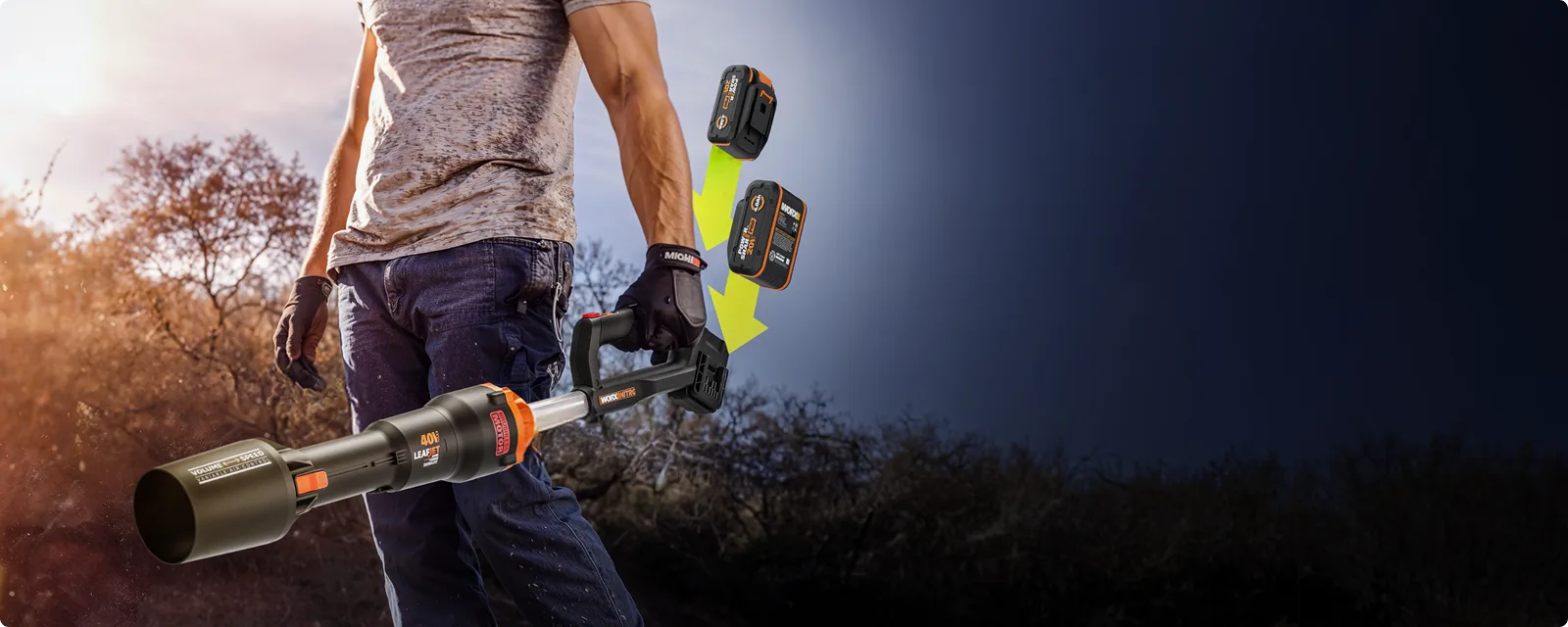


Need more power? Just add batteries
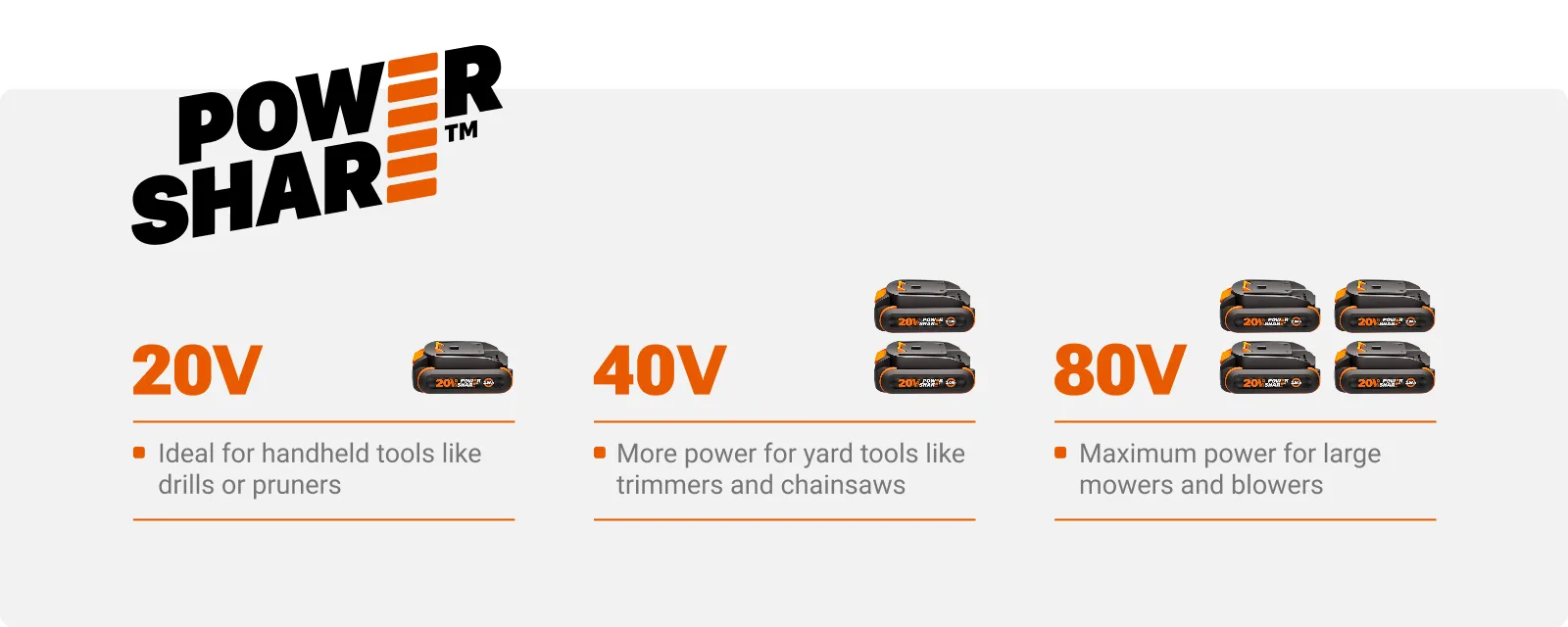
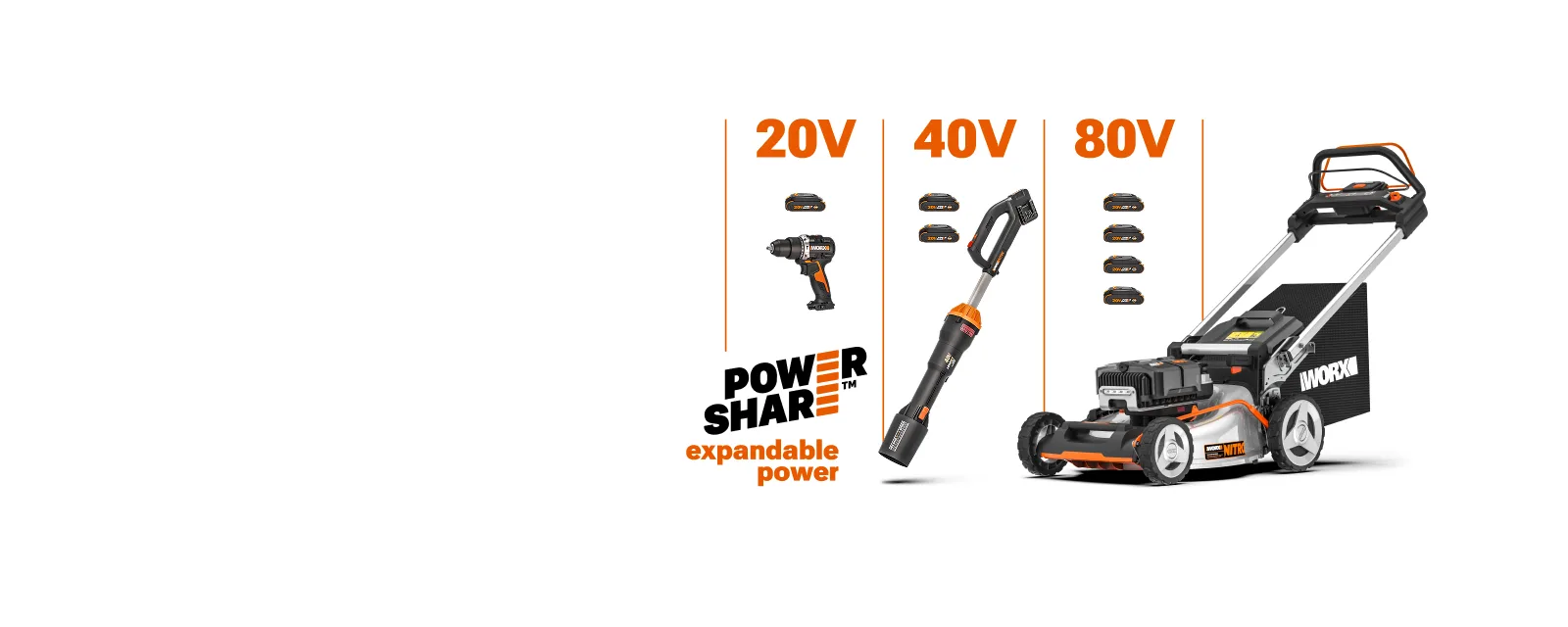
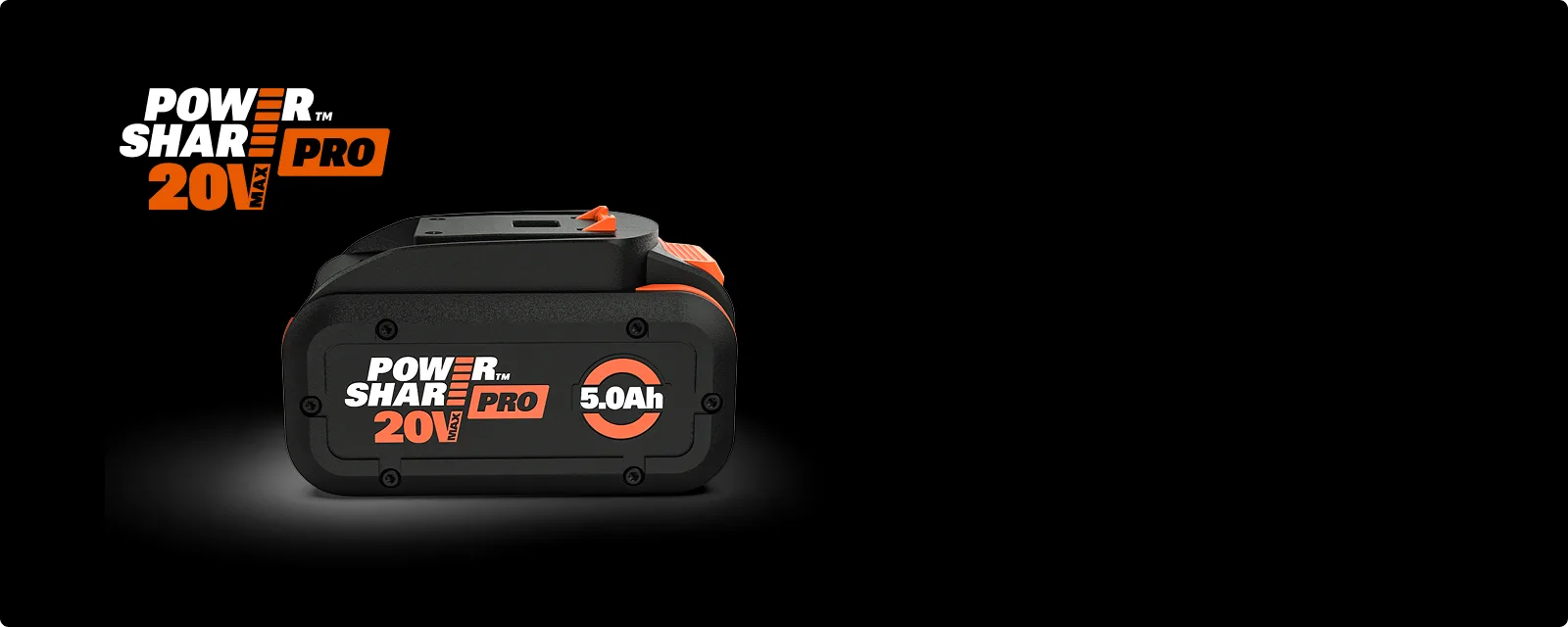
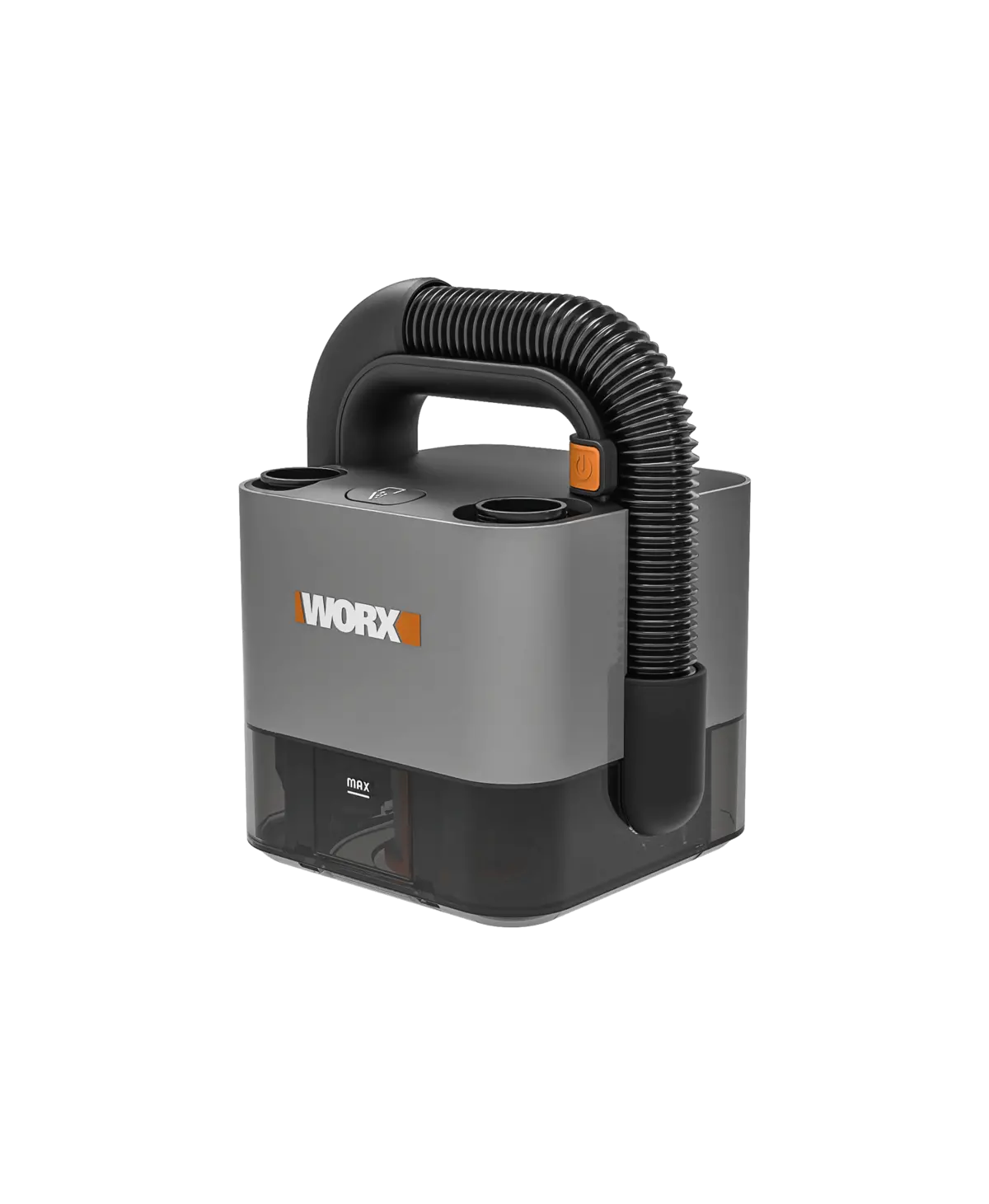
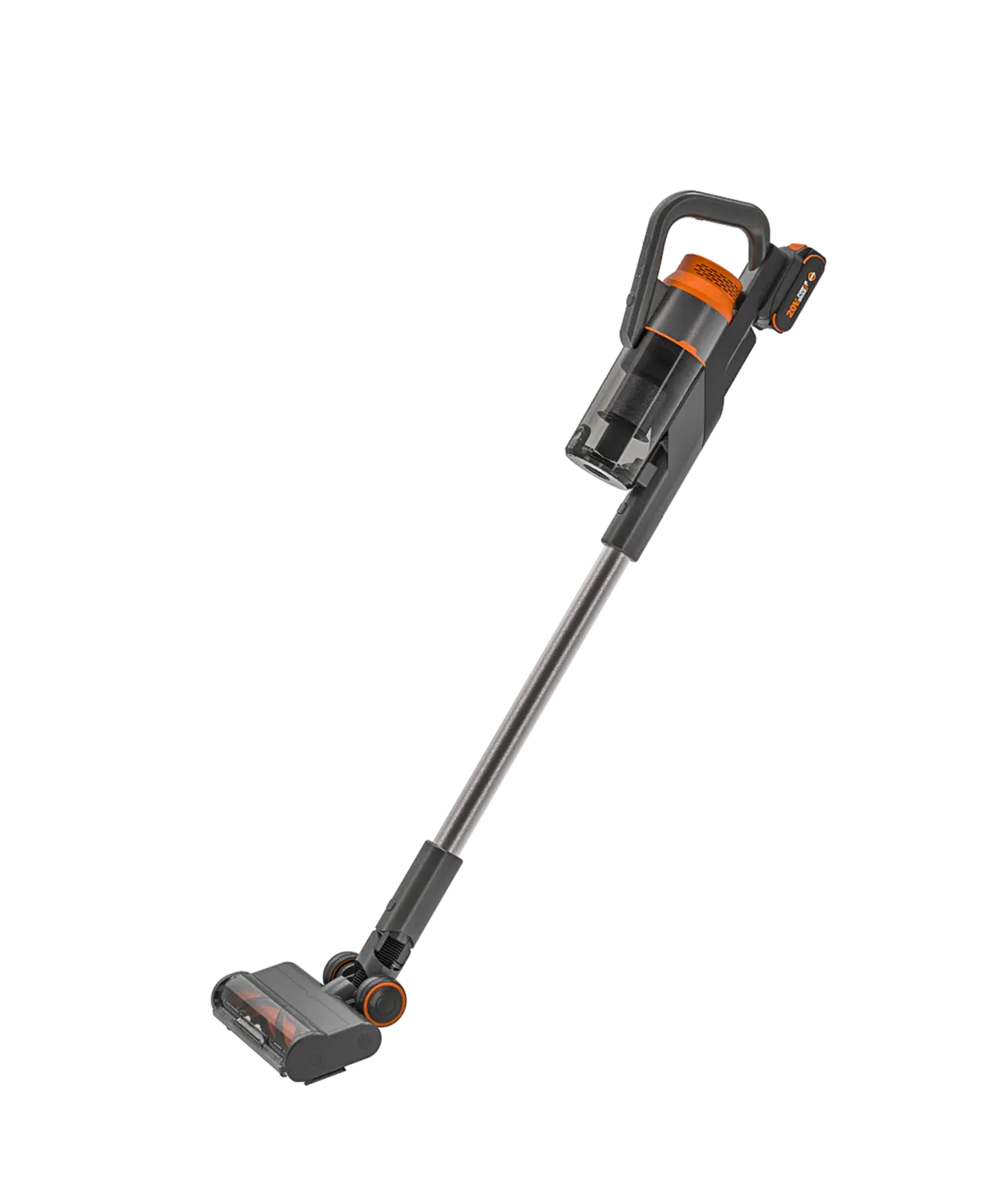
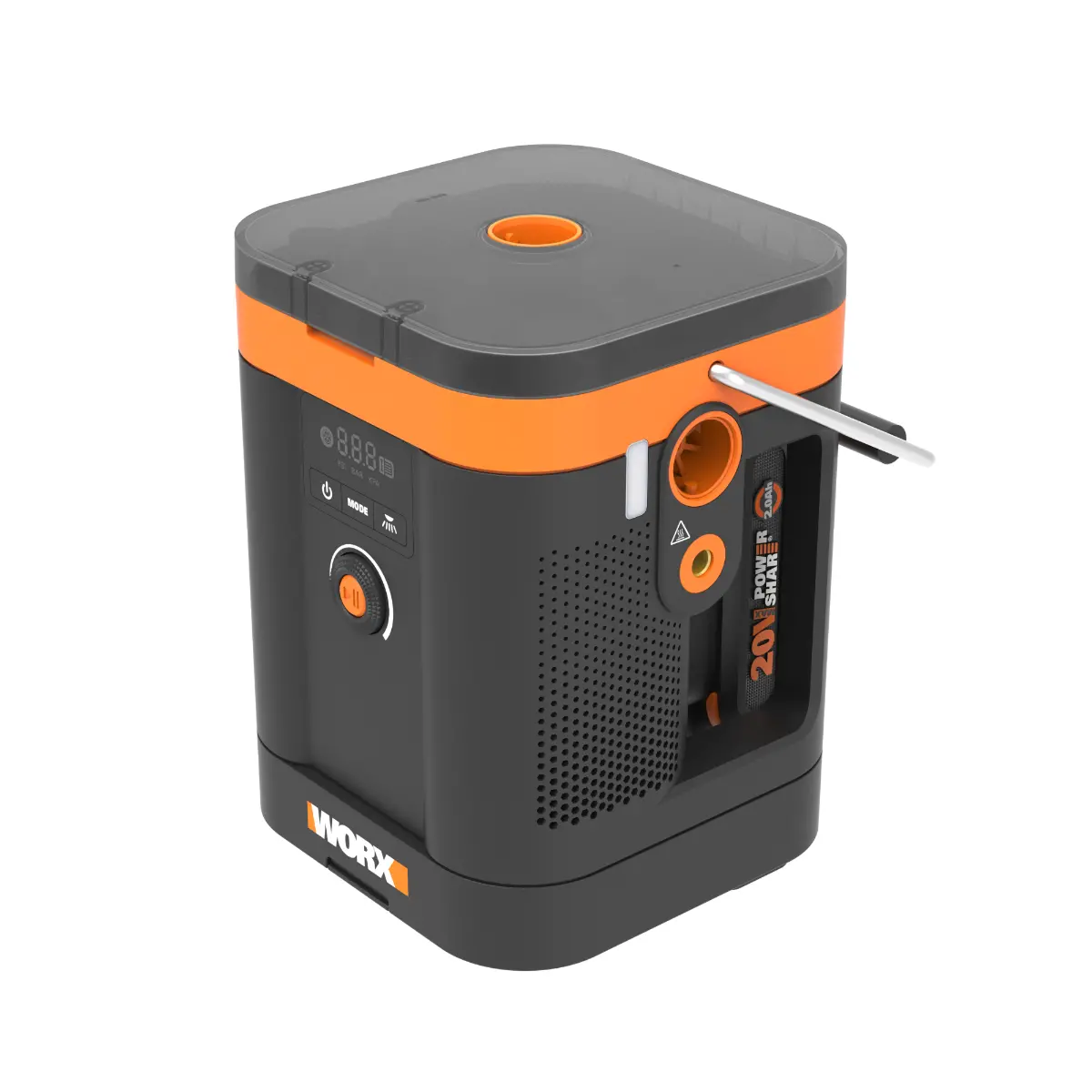
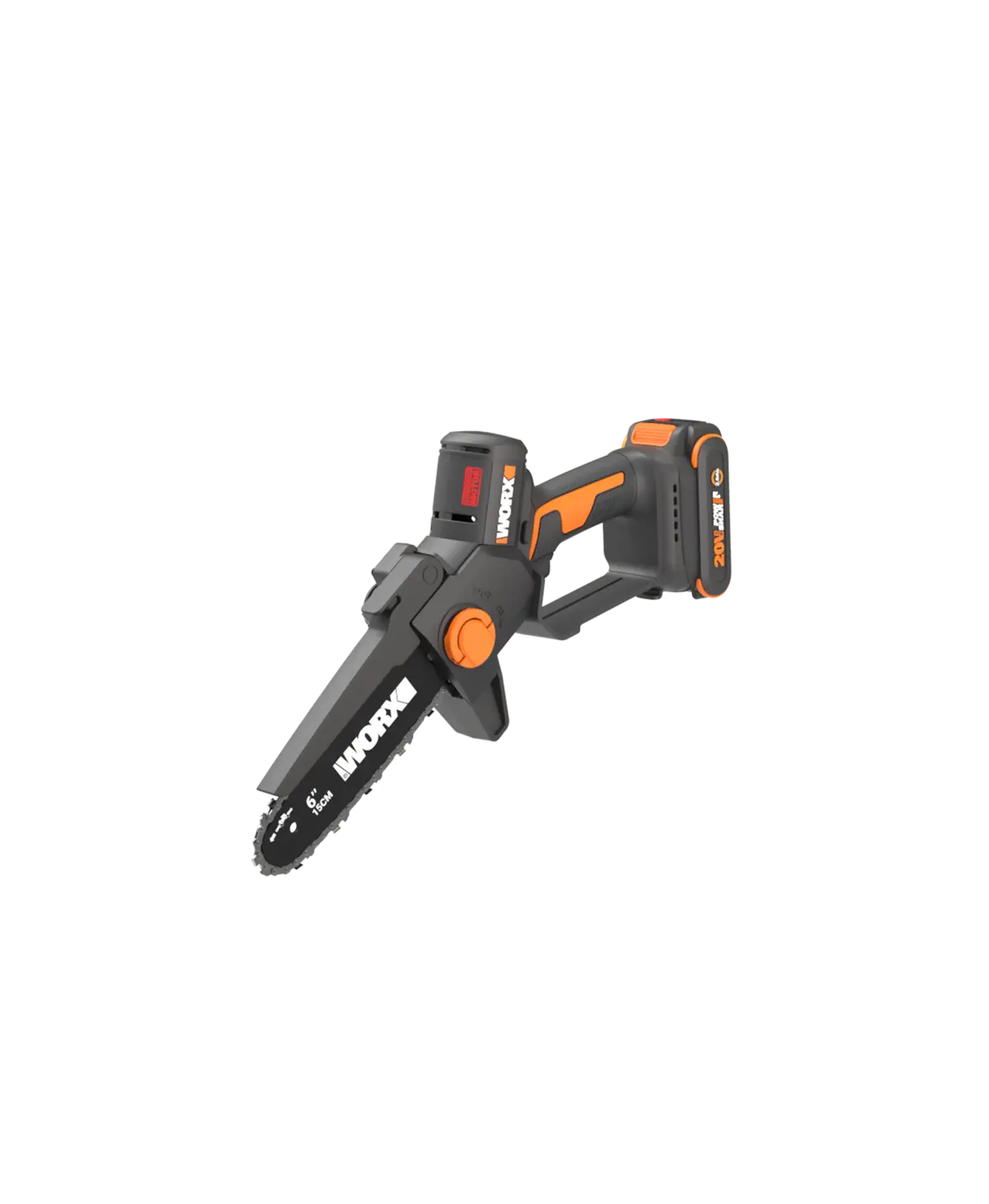
Use one battery for handheld tools. Snap on a second for 40V tools. Add more to reach 80V for maximum power. All you need is PowerShare.
Why more volts = more power
Think of electricity like water flowing through a hose.
Voltage (V) = water pressure
Voltage is the force that pushes electricity through a wire—just like pressure pushes water through a hose.
→ Higher voltage = more push = more power available to the motor.
Current (A) = water flow rate
Amps measure how much electricity is flowing, like how many liters of water per second flow through a hose.
→ More amps = more flow = more work gets done
Resistance (Ohm) = hose diameter
Resistance is the friction or difficulty electricity faces as it flows—just like a narrow hose slows down water.
→ High resistance = more energy lost = less efficiency
Power (W) = pressure × flow
Watts are the actual power your tool uses. It’s calculated by multiplying V × A = W.
→ Think of it as the total force of water hitting a waterwheel
Battery capacity (Ah) = water tank size
Ah tells you how much electricity is stored in the battery—like the size of a water tank connected to the hose.
→ Higher Ah = longer runtime
Think of voltage like water pressure in a hose. The higher the voltage, the more force the electricity has—so the motor gets more power.


Smarter for you, better for the planet
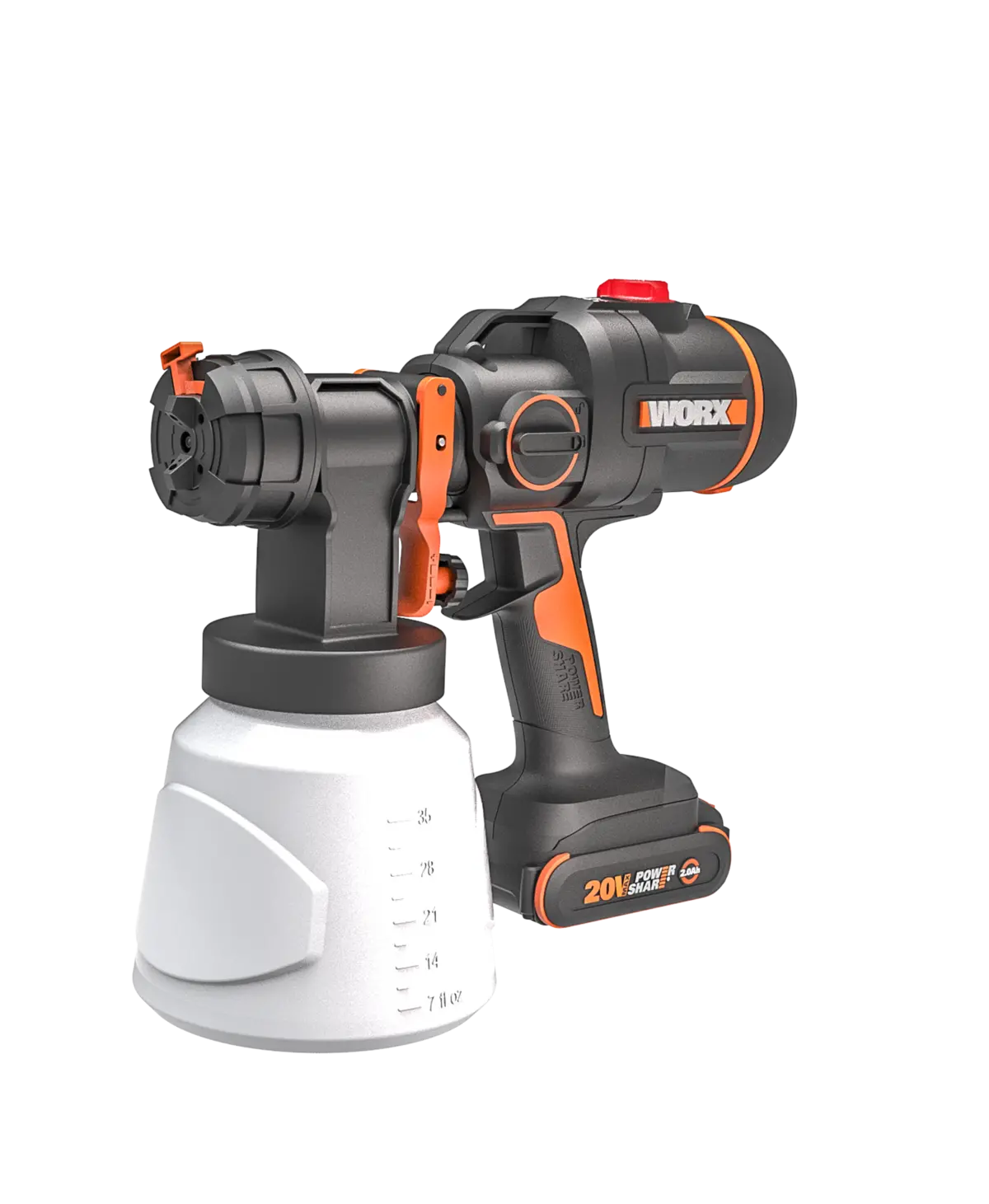
Fewer batteries and chargers mean less electronic waste. PowerShare helps you cut down on clutter—and environmental impact.
Why it matters
Electronic waste is one of the fastest-growing pollution problems in the world. Every year, we generate over 50 million tons of e-waste globally—and a large share comes from discarded chargers, batteries, and small devices.
That’s why regulators are stepping in.
U.S.
Regulators are moving toward fewer proprietary systems, longer product life, and shared responsibility for e-waste. Many states have their own electronics recycling laws, and Right to Repair legislation is gaining momentum.
Canada
The government is working toward a circular economy with a national strategy to reduce e-waste. Provinces like Ontario and BC already have strong recycling programs for electronics and batteries.
European Union and United Kingdom
The WEEE Directive (2012/19/EU) is designed to reduce e-waste and ensure proper collection, recycling, and recovery of electronics. By the end of 2024, most portable electronics must support USB-C to reduce charger waste. The EU Green Deal goes further, pushing for more durable, repairable, and recyclable products, with specific measures on electronics and batteries.
Australia
The B-cycle program, launched in 2022, helps recycle household batteries and keep them out of landfills. More states are also implementing landfill bans for e-waste.